
Selling Your Reproductions: Where and How to Reach Buyers
You’ve done the work. Your beautiful giclée prints have been proofed, your greetings cards have arrived from the printer, and your cushion covers are looking gorgeous. Now comes the next big question: Where do you actually sell these things?
Having multiple sales channels is the secret to a resilient art business. Each platform reaches a different audience and serves a different purpose. Let’s explore your options so you can build a strategy that works for you.
Option 1: Your Own Website (The Home Base)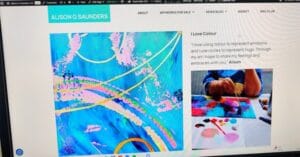
Your website should always be your primary sales destination. Why? Because you own it completely. No algorithm changes, no platform fees eating into profits, and you control the customer experience entirely.
How to make it work:
- Dedicated Shop Page: Create a clear “Shop” section separate from your portfolio. Organise products by type (Prints, Cards, Originals etc.) for easy navigation.
- High-Quality Images: Show products in use. Photograph cards displayed on a mantelpiece, prints framed on a wall, mugs in a cozy kitchen setting. Context sells.
- Clear Descriptions: Include dimensions, materials, edition details (if limited), and shipping information. Transparency builds trust.
- Simple Checkout: Platforms like Squarespace and Shopify integrate seamlessly and handle payments securely.
Option 2: Print-on-Demand Marketplaces (The Hands-Off Route)
If you’re using a POD service like The Dandy Arthouse, many offer integrated marketplaces where your products are listed alongside other artists. This gives you instant visibility to their existing customer base.
Pros: No marketing required from you; they drive the traffic.
Cons: High competition, lower profit margins, and you’re one of many.
My Advice: Use these as supplementary income streams, not your main focus. Set them up and let them run but direct your energy toward channels you control.
Option 3: Etsy (The Global Craft Hub)
Etsy remains the go-to platform for handmade and artist-made products. It has a built-in audience actively searching for unique, creative goods.
How to make it work:
- SEO is Everything: Use all your keywords in titles, descriptions, and tags. “Original watercolour painting” is good. “Original watercolour painting, wildflower meadow, unframed A4, botanical art” is better.
- Beautiful Photography: Etsy is visual. Your first image needs to stop the scroll.
- Reviews Matter: Encourage every buyer to leave a review. Social proof is powerful here.
Option 4: Local Shops and Galleries (The In-Person Connection)
Don’t underestimate the power of physical retail. Independent gift shops, galleries, museum shops, and even cafes are often delighted to stock local artists’ work on a wholesale or consignment basis.
How to approach them:
- Do Your Research: Visit potential stockists first as a customer. Is your work a good fit for their aesthetic and customer base?
- Prepare a Professional Wholesale Sheet: This one-page document should include: your contact info, images of your products, wholesale prices (usually 50% of retail), recommended retail prices, and minimum order quantities.
- Start the Conversation: Introduce yourself warmly, explain why you think your work would suit their shop, and leave your wholesale sheet and a small sample (like a card) if possible.
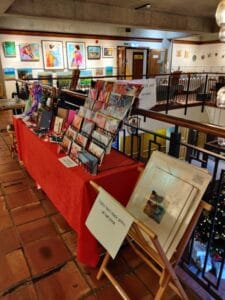 Option 5: Craft Fairs and Art Markets (The Direct-to-Customer Experience)
This deserves its own detailed guide (and we’ll cover it in Blog 65), but briefly: selling in person allows you to connect directly with buyers, get immediate feedback, and build a local following. It’s hard work but incredibly rewarding.
Building Your Multi-Channel Strategy
You don’t need to be everywhere. A smart, manageable strategy might look like this:
| Channel | Purpose | Time Investment |
| Your Website | Primary sales hub, highest margins | Moderate |
| Etsy | Reach new audiences, passive income | Low once set up |
| Local Shops | Wholesale income, local presence | Moderate upfront |
| Craft Fairs (2-3 per year) | Direct connection, brand building | High but seasonal |
A Final Word on Pricing Across Channels
Be consistent. Your greetings cards should be the same price on your website as they are on Etsy. If you sell wholesale to shops, your retail price should remain consistent everywhere. This protects your relationships with stockists and builds trust with customers who might shop in multiple places.
Start with one or two channels, master them, then expand. Your reproductions deserve to be seen – and bought – by as many people as possible.
Personally, I do not work with Etsy. I find them too big to be approachable when something goes wrong and I don’t like their pricing structure, but I do recognise many people are happy with them. They are just too big for my liking. Each to their own.
NB I do not get paid to endorse any people or brands mentioned in my blogs. If you enjoyed this post, please like, share and follow me. Sharing, liking and following raises the algorithms in my favour.
Thank you for your support.