
The Art of the Commission: A Guide to Navigating Custom Work Successfully
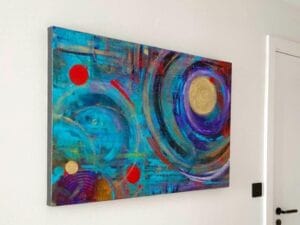
“I love your work. Could you create something special for me?” This request is one of the greatest compliments an artist can receive. Commissioned work represents a thrilling and rewarding pillar of a sustainable art business, offering not just a guaranteed sale but also the profound opportunity to create a deeply personal connection between your art and a collector’s life. Yet, without a clear, professional framework, this collaborative process can easily become a source of anxiety, miscommunication, and creative compromise. The key to a successful commission lies in treating it as a structured partnership from the very first conversation, ensuring the journey is enjoyable for both you and your client.
The process begins with the initial consultation, a stage dedicated to listening and expectation management. When a client approaches you, schedule a proper conversation (a phone or video call is ideal). Your primary goal here is to gather concrete information and assess the fit. Ask specific questions: What is the desired size, subject matter, and colour palette? What is the deadline and, most sensitive, what is the budget?
Encourage the client to share a “mood board” of reference images – these are invaluable for understanding their vision. This is also the time for gentle honesty. If their idea falls completely outside your style or subject expertise, it is far better to decline gracefully than to force a fit and deliver disappointing work. Explain your typical process so they understand you are a collaborator, not a photocopier.
Following a positive consultation, you must move to the formal proposal and agreement. Never, under any circumstances, begin work without this. A clear, written agreement is not a sign of mistrust; it is the safety net that protects your creative energy and the client’s investment. It can be a simple but thorough email that you ask them to confirm.
This document should include: 1) A Project Description summarizing the agreed-upon size, medium, central subject, and key details. 2) A clear Timeline with a start date, dates for progress reviews, and an expected completion date. 3) The most critical element: Pricing and Payment Schedule. The industry-standard model is a 50/50 split: a non-refundable 50% deposit to begin work, with the remaining 50% due upon the client’s final approval of the completed piece, before delivery or shipping. The deposit secures your time and covers initial materials, ensuring mutual commitment. 4) A Revision Policy, specifying the number of minor adjustments included (e.g. “two rounds of tweaks after the initial blocking-in stage”) and stating that major compositional changes after that point may incur an additional fee. 5) A note on Copyright, clarifying that you, the artist, retain the copyright and reproduction rights, while the client owns the physical artwork for personal enjoyment.
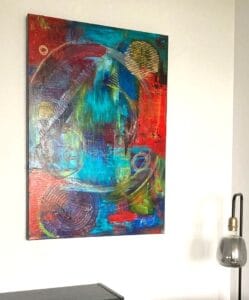
With the agreement in place, you enter the creative process, where consistent communication is your most important tool. Share progress at natural milestones. A photo of the initial charcoal drawing or the fully blocked-in canvas allows the client to feel involved and provides a crucial checkpoint to ensure you’re on the right track. When soliciting feedback, ask guiding questions: “How do you feel about the energy of these brushstrokes?” or “Is the warmth of this background what you envisioned?” This focuses their input and makes it more useful. If feedback becomes vague or contradictory, refer gently back to the agreed description in your proposal. Your professionalism in this phase builds immense trust.
Finally, after the client approves the final work and the balance is paid, you reach the grand finale: delivery and celebration. Package the artwork with the same care you would for any valuable piece. Include a signed certificate of authenticity. Then, take a moment to genuinely celebrate the completion. You have navigated a complex collaborative process, maintained your artistic integrity, created a unique work of art, and almost certainly gained a passionate advocate for your work. A well-managed commission teaches you to collaborate while holding true to your voice, transforming a potentially daunting request into one of the most personally and professionally satisfying experiences an artist can have.
P.S. I have to admit that I don’t take 50% up front when I take on a commission. Generally, people who commission me are people I have met a few times so I am able to assess the type of person I will be working with. But I keep it in my terms and conditions so that if I meet someone who I think might be difficult to work with then the safety net for me is in place. Also, if I produce work someone is not happy with, I would not want them to pay and have nothing. I would rather people felt that the fit didn’t work and we all walk away happy rather than charge them for something and have them bad mouth me. We are all different. You need to decide what works best for you and your client base.
NB I do not get paid to endorse any people or brands mentioned in my blogs. If you enjoyed this post, please like, share and follow me. Sharing, liking and following raises the algorithms in my favour.
Thank you for your support.